What makes Edu Masters different?

College Info

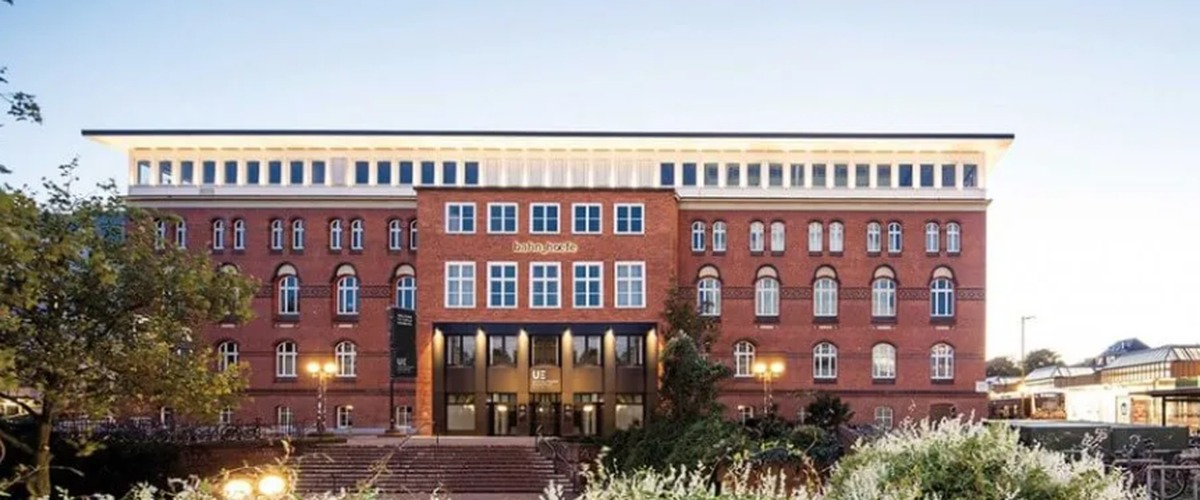
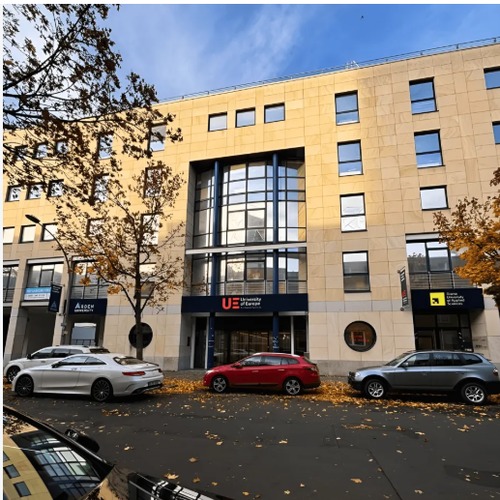
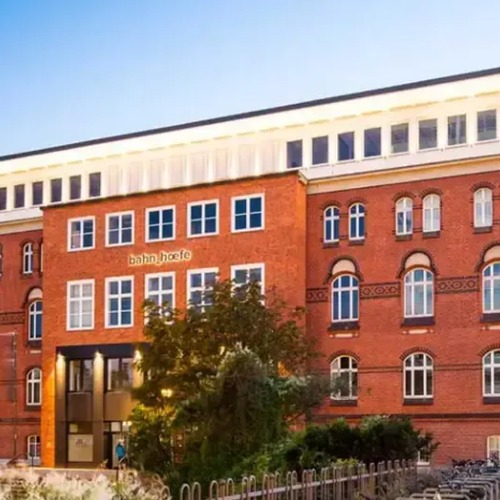
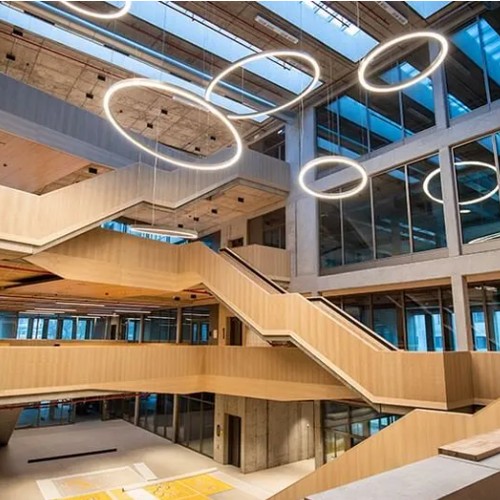
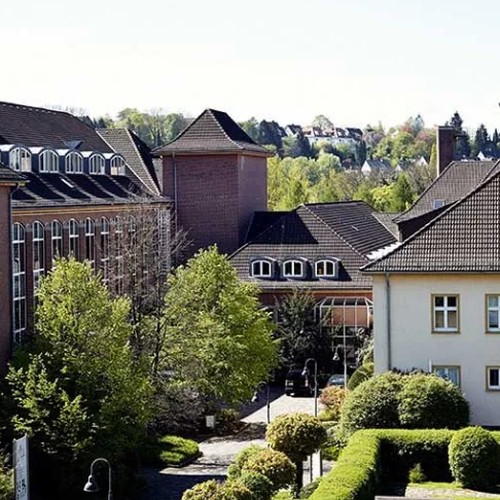
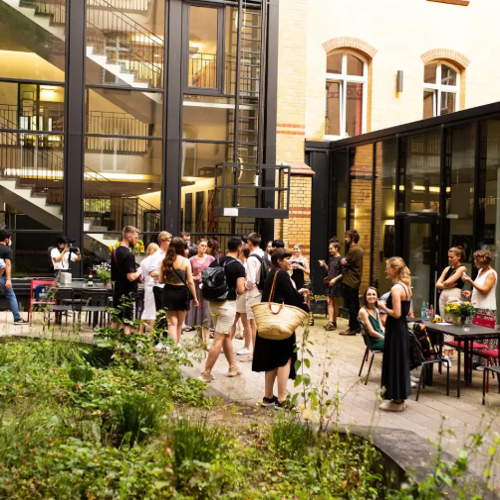
The University of Europe for Applied Sciences (UE) is a state-recognized private university in Germany, with campuses in Berlin, Hamburg, Potsdam, and Iserlohn. Established in 2000, UE offers practice-oriented bachelor's, master's, MBA, and dual-study programs in business, technology, art & design, sport, health, and psychology. The university has 7,800+ students from 140+ nations and offers 63+ degree programs. UE has received 5 out of 5 stars in the 2024/25 Globis survey in cooperation with STERN and has been recognized by U-Multirank among the Top 10 universities for Business Studies and as a global leader in international orientation. Its programs combine academic learning with strong industry exposure and career-focused education.

Frequently Asked Questions

Provide a high school or bachelor’s diploma with transcripts (or an equivalent vocational qualification), officially translated into English or German. In some cases, applicants without a high school diploma may still qualify if they have at least three years of relevant work experience and apply for a related program. For Art & Design programs, some applicants (mainly non-EU) may need to take an admission test, which involves writing a short essay on a topic related to the chosen course. No special preparation is required.

You can submit a certified copy of your high school diploma (or an equivalent qualification) at a later stage.

The requirements are the same as for German applicants. You must apply online and pass an interview. If you choose a German-taught program, you’ll need proof of German proficiency (TestDaF 4 or DSH 2). For English-taught programs, you must show English proficiency at least at B2 level. German language skills are not required for programs taught in English.

Start by completing the online application and uploading certified copies (with English or German translations) of your degree certificate—such as a bachelor's, MBA, diploma, or equivalent—along with your transcripts. For art & design programs, you’ll also need to submit a portfolio. Details can be found on the specific program page or under the admission requirements section.

Bachelor’s programs at UE require a total of 180 ECTS credits to complete. Master’s programs, on the other hand, consist of 60, 90, or 120 ECTS credits depending on the specific course structure.

At UE, most programs at all campuses accept enrollment twice a year: the summer semester begins in March, and the winter semester starts in September. However, there are a few exceptions. Dual programs are offered once annually, typically starting in August or September, while the full-time MBA program allows admissions four times a year—in January, March, June, and September.

Bachelor’s: Around 25 hours of weekly classes plus about 15 hours of self-study and preparation. The semester includes a 15-week lecture period, with additional workshops and project work outside class hours. Master's: The first two semesters have about 21–23 class hours per week, while the final semester has around 3 hours. Students also spend roughly 20 hours weekly on independent study, along with workshops and projects. Each semester also runs for 15 weeks.

Yes, transfer is possible after an interview. The Examination Office and the Department Dean will evaluate your previous academic records to determine credit recognition and eligibility for entry into a higher semester. You must submit all required supporting documents along with your application.

In general, universities of applied sciences focus more on practical, hands-on learning, with classes often conducted in a tutorial style that encourages close interaction between students and lecturers. At UE, this practical approach is especially strong, as many lecturers are also active professionals or run their own businesses alongside teaching. In comparison, public universities in Germany tend to emphasize more theoretical and research-oriented education, with a stronger academic focus and less direct application.

Bachelor’s: The 5th semester is dedicated to practical experience or studying abroad. Students can either complete an internship in Germany or another country or spend a semester at a partner university abroad. Master’s: The 1.5-year master's program does not include a mandatory semester abroad or practical training period.

Reviews

Daniel Thompson

My experience at the University of Europe has been very positive so far. What I like most is that the classes are interactive, and we get opportunities to discuss real business situations rather than just focusing on theory. Studying alongside students from different countries has also given me a much broader perspective on international business.

James Anderson

I was initially a little unsure about moving to Germany for university, but the experience has been better than I expected. The course gives us a good balance between technical concepts and practical work. I’ve also enjoyed meeting people from different backgrounds. It feels like a genuinely international university.

Arjun Nair

As an Indian student, moving to Germany for higher education was a completely new experience for me. I chose UE because of its international environment and practical approach to learning. The transition was easier than I expected, and I’ve had the opportunity to interact with students from many different countries. Overall, studying at UE has helped me become more independent and confident about my career plans.

Sophie Williams

UE has been a great fit for me because I wanted a degree that allowed me to be creative while also gaining practical experience. I really enjoy the project-based assignments and the freedom to explore different ideas. Berlin is also an amazing place to study, especially if you are interested in design, art, and culture.

Emily Carter

I chose UE because I wanted to study in a creative and international environment rather than a traditional university setting. The Visual & Experience Design course has been really interesting because we get to work on practical projects and develop our own ideas. Moving to Germany was a big step for me, but the international student community made settling in much easier.

Our Articles


Related Pages:

Enquire Now